
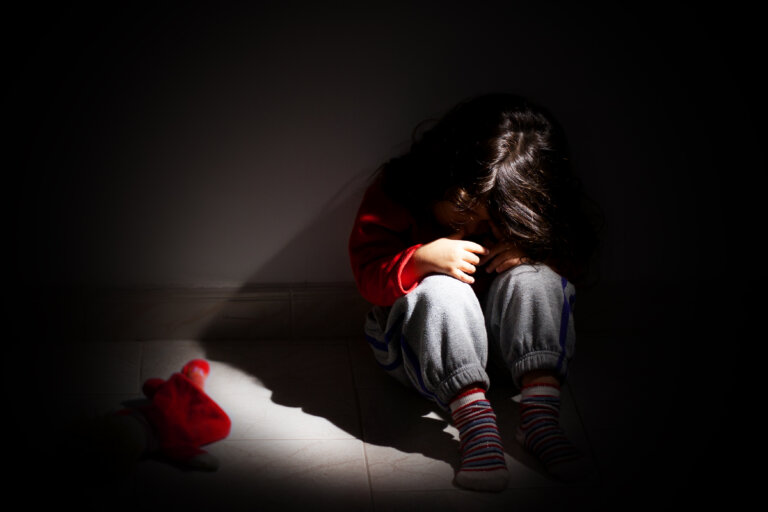
Understanding the Difference Between Child Abuse and Neglect Under New York Law
In New York Family Court, the terms child abuse and child neglect often appear together — yet they describe very different legal standards. Both are governed by Article 10 of the Family Court Act (FCA), but the difference lies in the nature of harm to the child and the conduct of the...

Understanding the Difference Between a 1027 and 1028 Hearing in New York Family Court
When the Administration for Children’s Services (ACS) becomes involved in a child protective case, two types of early hearings often determine whether a child remains at home or is removed while the case proceeds — the 1027 hearing and the 1028 hearing. Though they may appear similar, they serve distinct purposes at...

When a 1028 Hearing Becomes a Fact-Finding Battle: Understanding Combined Hearings in New York Family Court
In New York Family Court, when a child has been removed because of alleged abuse or neglect, two distinct hearings often take place. The first—under Family Court Act § 1028—addresses whether the child can safely return home while the case is pending....

Do Allegations of Parental Alienation Affect Custody in Brooklyn Family Court?
One of the most challenging issues in custody cases is when one parent claims the other is engaging in parental alienation. This behavior, often described as intentional attempts to damage the child’s relationship with the other parent, can directly influence the outcome of custody decisions. Parents frequently ask: If the other parent...

Can a Parent Relocate With a Child Without Court Permission in Brooklyn?
Parents often ask: Can I move with my child without first obtaining approval from Brooklyn Family Court? This is one of the most common questions after separation or divorce, especially when a parent wants to change residence for a new job, to be closer to family, or to start a new chapter...

Brooklyn Divorce Attorney on Exclusive Use of the Marital Home: What You Need to Know
One of the most urgent issues that arises during a New York divorce is deciding who stays in the marital residence while the case is pending. This question, often referred to as exclusive use or occupancy, has a major impact on safety, stability, and day-to-day life. At Gilmer Law Firm PLLC, we...

Fighting Back Against Old Allegations in Family Offense Cases: Know Your Rights
If you’ve been served with a Family Court petition for an order of protection in New York, you may be shocked to find yourself defending against events that occurred months—or even years—ago. Many clients ask: Can someone really get an order of protection based on old or stale allegations?

Should I Take an Order of Protection Without Admission in Family Court or Go to Trial? Advice from a Brooklyn Order of Protection Attorney
If you’ve been served with a petition for an order of protection in New York Family Court, you may be presented with a difficult choice: should you agree to an order of protection “without admission” or should you demand a trial to fight the allegations? As a seasoned Brooklyn order of protection...
Understanding Pre-Trial Motions and Hearings in New York Juvenile Delinquency Proceedings
When a child is accused of a delinquent act in New York, they face a legal process that is both unique and high-stakes. Although juvenile delinquency cases are heard in Family Court under Article 3 of the Family Court Act, many of the procedures mirror adult criminal cases. Among the most critical...

Nicholson v. Scoppetta and the Rights of Domestic Violence Survivors in Brooklyn Family Court
Domestic violence cases in New York Family Court are complex — especially when the Administration for Children’s Services (ACS) becomes involved. One landmark case, Nicholson v. Scoppetta, 3 N.Y.3d 357 (2004), fundamentally changed how New York handles situations where a child witnesses domestic violence. For survivors in Brooklyn, NY, this case can...